Best Medical Franchises for E-2 Investors

If you’re looking at an E-2 visa option and want to own a piece of the healthcare industry, a medical franchise is a pretty smart place to start. The healthcare business is driven by people’s everyday needs, which means demand stays pretty steady.
And the federal actuaries are predicting that U.S. health spending will jump from 17.6% of GDP (2023) to 20.3% by 2033. This gives you an idea of just how big and resilient this healthcare franchise industry is.
Some models operate deep inside the clinical medical field, while others are more medical-adjacent and a lot easier to manage. What works for you will depend on your starting investment, your staffing plan, and the role you want to play as an active owner.
Why Medical Franchises Are Such Resilient Players in the Medical Industry
The medical industry is something that people need no matter what the economy is doing, which is why a lot of people say it’s ‘recession-proof’.
Now, that label might be a bit of an overstatement, but the underlying point is real – healthcare demand doesn’t just disappear. Medical franchise businesses that deliver essential services tend to have a lot more stable usage than, say, a discretionary retail business.
A healthcare franchise can also be less of a headache to operate than starting a medical business from scratch. Many franchise systems come with:
- comprehensive training programs,
- ongoing support,
- and regular check-ins on practice management, hiring, and marketing.
That kind of support can be a real lifesaver when you’re stepping into a new market and trying to build a predictable business.
How a Medical Franchise Fits into an E-2 Visa Opportunity

E-2 is basically designed for people who are going to be developing and running a real U.S. business after putting in a substantial amount of cash. USCIS describes E-2 as a visa for treaty nationals who are investing a significant amount of capital in a U.S. enterprise and are coming to the U.S. to run it.
This is where a medical franchise starts to look like a pretty good fit with an E-2 strategy. Most franchise opportunities need an active owner who is hands-on, with clear operations and a hiring plan, which can include healthcare staff.
And the fact that many franchise businesses come with a tried-and-tested business model. Plus, comprehensive training can make it a lot more realistic for first-time operators in the U.S.
Note: Don’t get me wrong – E-2 outcomes are dependent on a whole bunch of things like your treaty eligibility, evidence, and specific case details. So use an immigration attorney for advice that’s specifically tailored to your situation.
Understanding Medical Franchise Opportunities by Category
Not all medical franchise opportunities are created equal when it comes to things like regulation, cost, and staffing needs. Below are two pretty practical categories to think about: clinical and medical-adjacent. Both can work, but they’re suited to different owner types.
Clinical Medical Franchise Opportunities
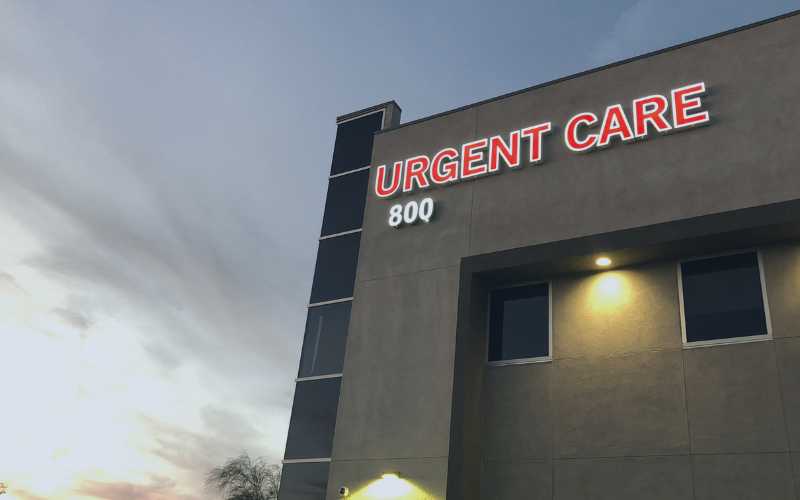
Clinical models usually deliver patient care right inside or alongside healthcare facilities. They rely on licensed healthcare professionals and often need a medical director and super-tight compliance. These options can be really strong, but they’re operationally a lot more complex.
Urgent care centers and urgent care clinics
Urgent care centers and clinics are a great alternative to emergency rooms for a lot of non-life-threatening situations. They help move critical cases to hospital settings while treating everyday injuries and illnesses. Brands like American Family Care run in this space and focus on access and quality care.
Physical therapy and chiropractic models
Physical therapy franchises serve up rehab, recovery, and long-term mobility needs with pretty stable referral and insurance dynamics. Joint Chiropractic is a well-known concept in the care ecosystem and can be operationally simpler than multi-specialty clinics. Staffing and local demand still remain the biggest variables.
Diagnostic testing and labs
Lab concepts like ARCpoint Labs (including the ARCpoint Labs franchise) support providers and employers with a wide range of testing services. These models can face higher compliance expectations, but can also build some really durable B2B relationships. If you like process and precision, this category can be a good fit.
Medical-Adjacent (Non-Clinical) Medical Franchise Opportunities for E-2 Investors

If you want that medical franchise but you’d prefer a bit less clinical complexity, medical-adjacent services are a pretty smart play. These businesses support healthcare delivery without providing direct clinical treatment. They’re often ideal for owners who are process-driven and want stability.
Some examples of medical-adjacent franchise models
- Mobility equipment providers that help patients maintain their independence
- Medical billing business and reimbursement workflow support
- Senior services for non-medical needs
- Therapy supports businesses and practice management services
- Staffing-focused models like ATC Healthcare supply healthcare personnel
- Hearing-related retail care like Miracle Ear
Why it works
Medical-adjacent services still ride the same demographic trends as the broader healthcare industry. They often have reduced regulation compared to clinical services, while still serving up pretty predictable, recurring markets. For E-2 planning, they can be a lot easier to run day-to-day because the owner focuses on systems, staffing, and service delivery.
Ideally suited for
This Category is ideal for owners who thrive on day-to-day operations, love creating checklists and hiring systems, and get a kick out of measuring performance. You can really call the shots without needing a clinical license to actually deliver medical services.
A lot of franchise owners do well here because execution is all about keeping things consistent, rather than trying to keep up with clinical complexity.
What to Take a Close Look At in Franchise Profiles
When you start comparing franchise profiles, don’t just stop at the flashy brand name on the front. Look really closely at the financial requirements, the total initial investment, and the initial franchise fee (sometimes that’s listed separately from the rest of the costs). Make sure you know what you’re paying for, what’s optional, what’s a must, and what the heck you’re getting yourself into.
Also, take a good, hard look at the staffing reality of the business. Clinical concepts are heavily dependent on having the right people on hand to take care of patients, not to mention navigating all the clinical compliance red tape, while non-clinical concepts rely on getting the operational teams and service capacity right. Either way, the people you hire are the engine that drives your business model.
Frequently Asked Questions About the E-2 Visa
A medical franchise is just a business in the health care industry that’s operating under a well-known brand name. It delivers essential healthcare services or quality medical care using a proven business model. Franchise owners are really hands-on and get regular training and support to help them manage operations.
A medical franchise often needs a real owner on the ground, a substantial investment to get started, and some serious ongoing operations. That actually all sorts of aligns with the rules around E-2 visas, which require investors to develop and direct a US business. And because franchisees get regular training and support, they can actually operate effectively.
Medical-adjacent, non-clinical franchises are usually the way to go for E-2 investors who don’t have any healthcare licenses. These include things like medical billing, non-medical senior services, and businesses selling mobility equipment. These models are usually a lot less regulated too.
Urgent care clinics are technically a type of medical franchise, but are clinically super complex. They require licensed healthcare professionals on hand and a strong compliance system in place. They also serve as a convenient alternative to emergency rooms and some primary care needs.
Yes, a lot of medical franchise businesses are actually set up for non-clinical owners. Medical-adjacent models focus on the operational side of things, rather than direct patient care. And even though the business will still need healthcare professionals to deliver services, the owner doesn’t have to be one themselves.
Final Thoughts
If you’re thinking about exploring a medical franchise for E-2 purposes, my top tip is to narrow down your options by operator fit first. Then look at making sure the numbers all add up. Pick a lane – either clinical or medical-adjacent – based on the
- level of regulation,
- staffing complexity,
- and day-to-day oversight you’re okay with managing.
If you want a second set of eyes on franchise profiles, look up franchise coach and consultant Adam Goldman for a clear-eyed take on what fits you.